Reimagining QUAD Derby: a cross-disciplinary live brief
The Designers' Den was a semester-long, project-based design studio. It was delivered in partnership with QUAD, a cultural centre in Derby. The brief was live, and the client was real. Students were asked to design alternative revenue-generating spatial concepts for the building.
The premise was straightforward but demanding. Cultural venues face persistent financial pressure. Public subsidy is uncertain, and earned income has become essential to survival. QUAD therefore needed spatial strategies that could generate revenue without compromising its civic and artistic mission. This is a genuine problem of contemporary practice. It is also one that no single discipline can resolve alone.
Teams of three were formed deliberately. Each team combined a student of Architecture, a student of Interior Design, and a student of Business. The composition was not incidental. It obliged students to negotiate different vocabularies, methods, and criteria of success. Spatial ambition had to survive commercial scrutiny. Financial modelling had to accommodate the realities of an existing listed-quality interior. Neither logic was permitted to dominate.
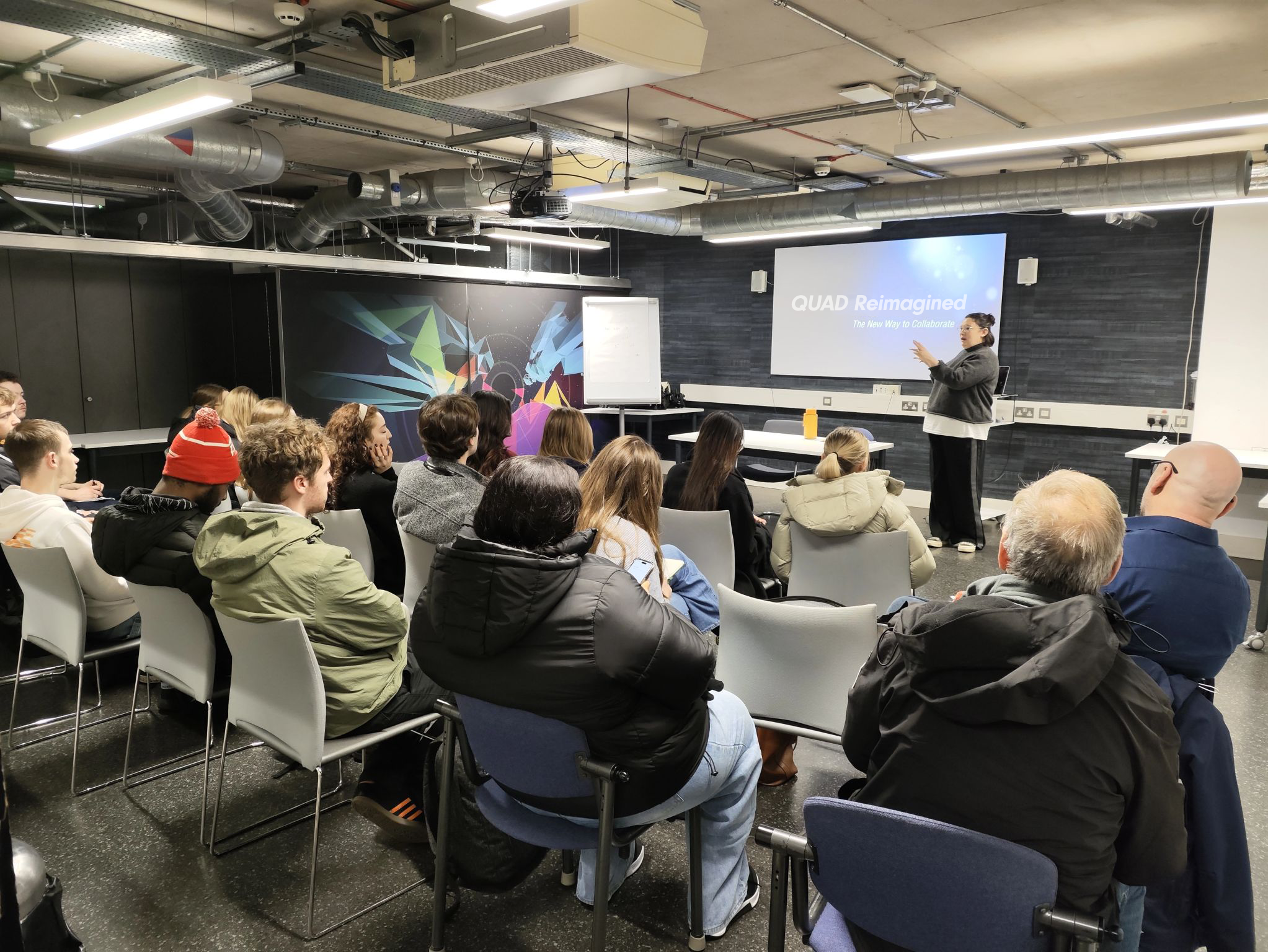
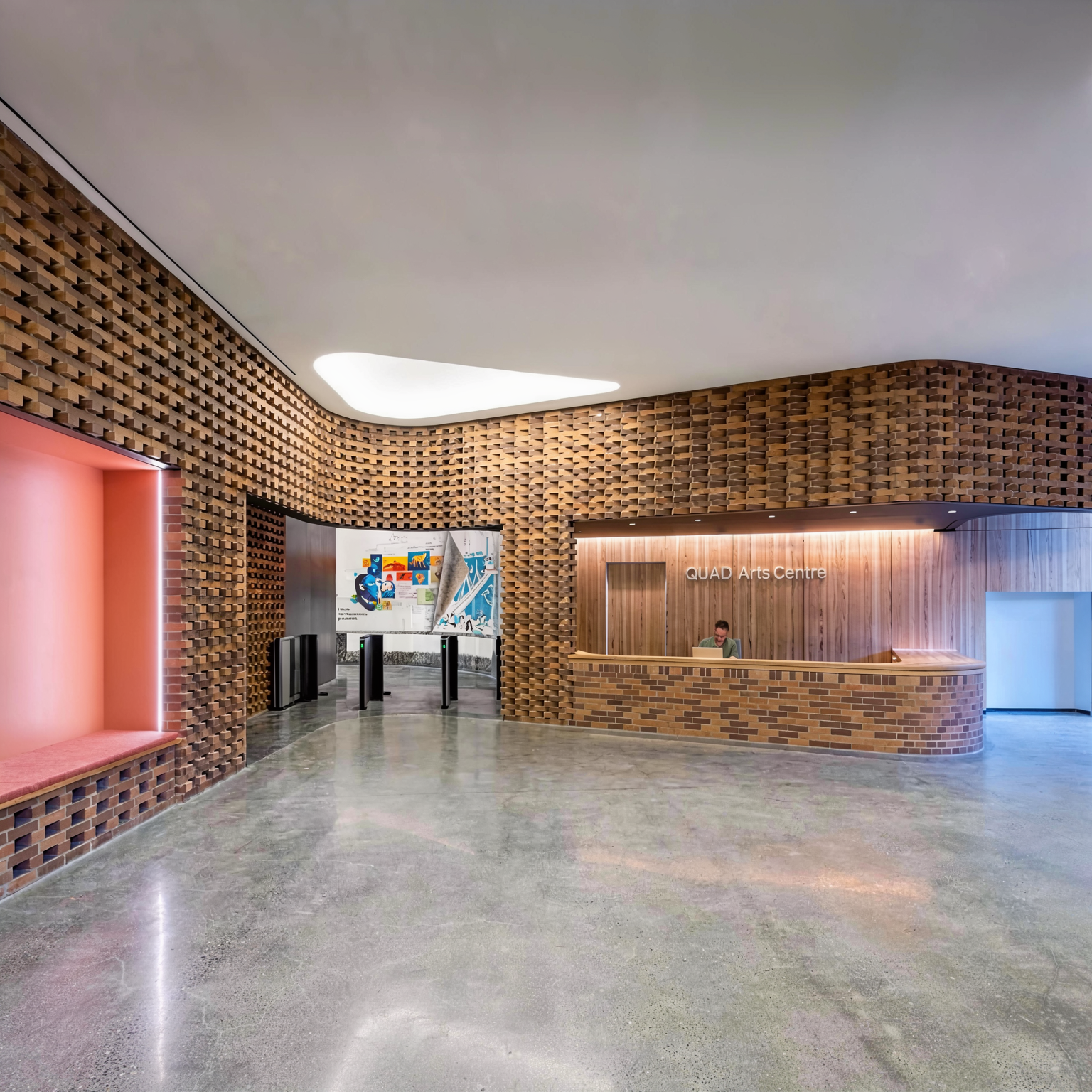
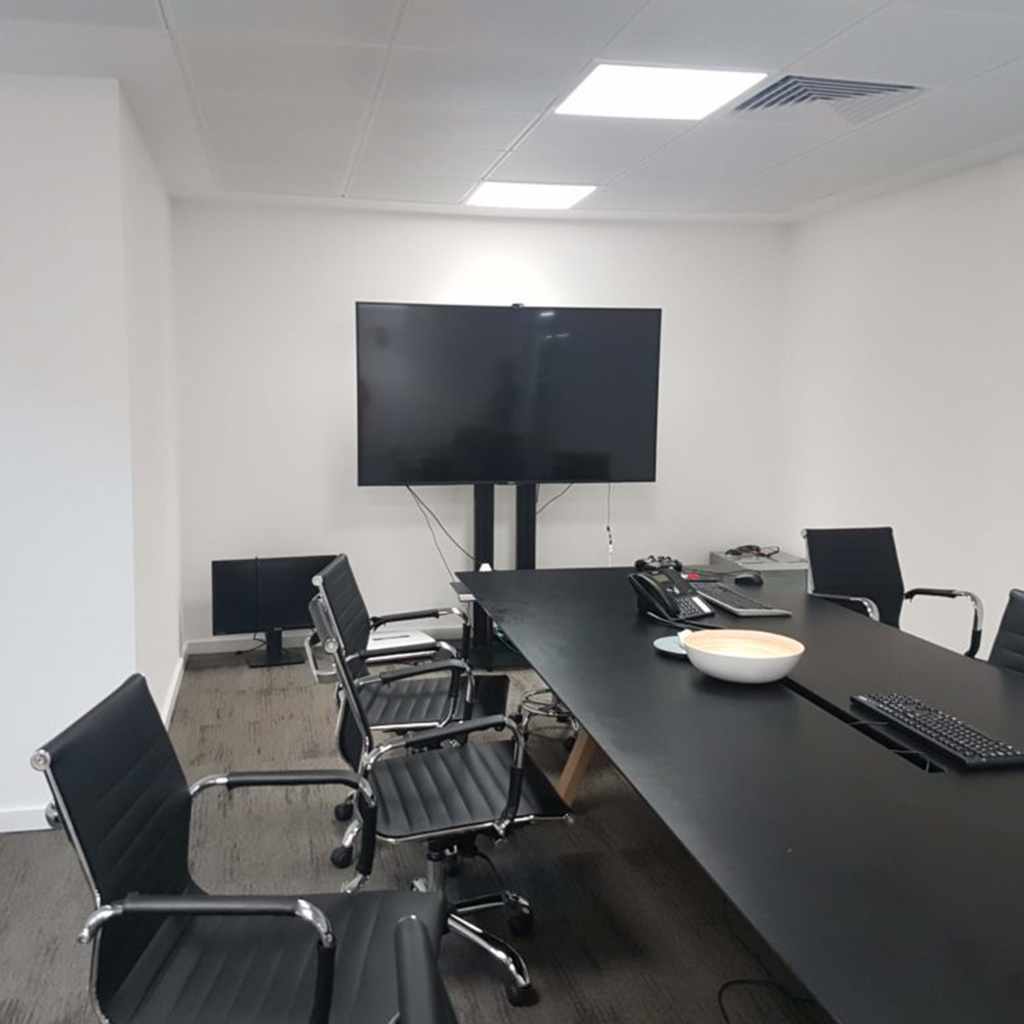
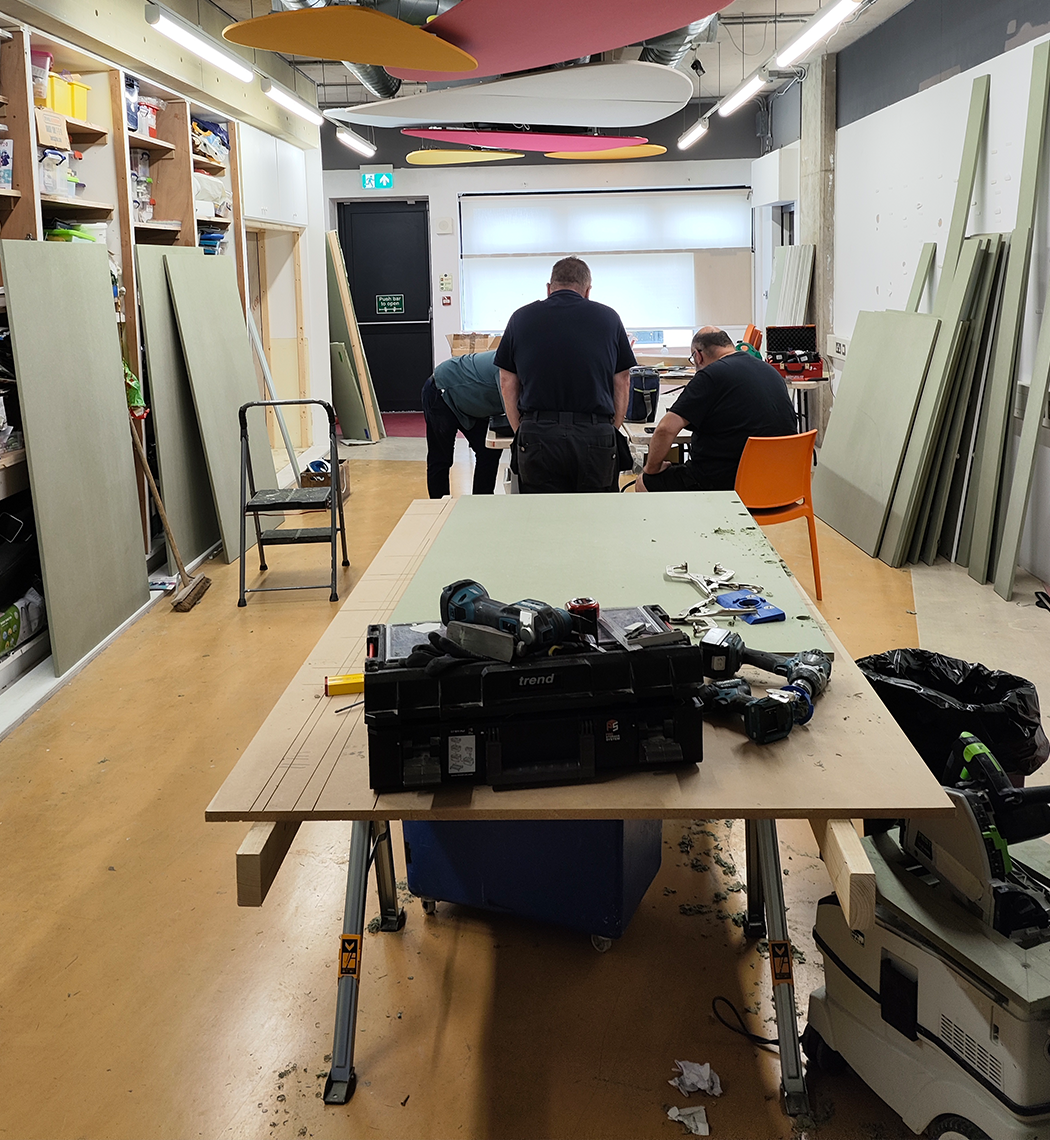
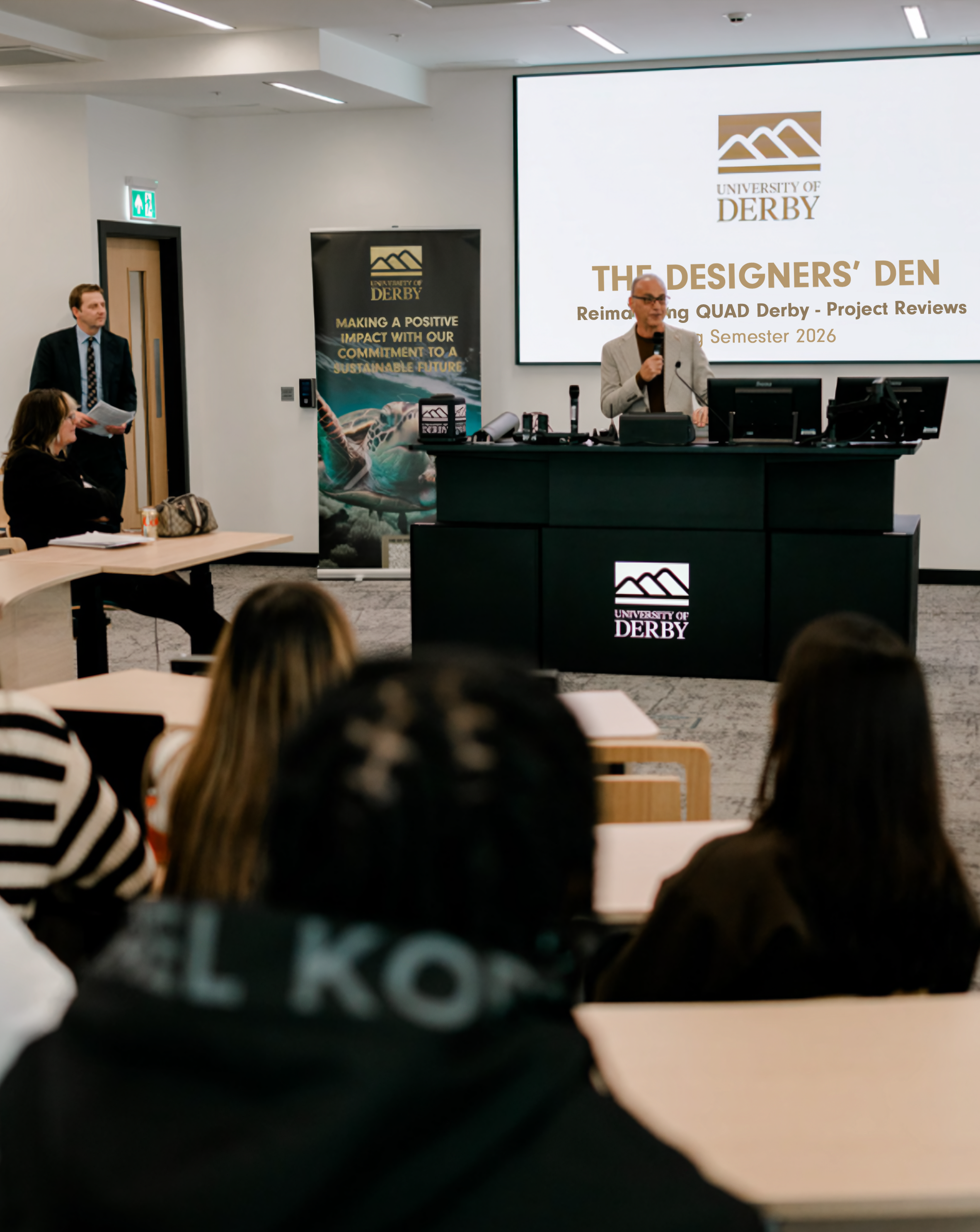
The studio began with a client briefing delivered by QUAD staff (Fig 1). Students received the building's operational data, its constraints, and its aspirations. They then conducted their own spatial audit. The audit identified underused, poorly configured, or single-purpose areas across the venue (Fig 2, 4, 6).
From this audit, each team developed an integrated proposal. Proposals were required to address three registers simultaneously:
Teams were assessed on the coherence between these registers, not on any one of them in isolation.
The module was structured as an enterprise pipeline rather than a conventional design studio. Weekly studio sessions were supplemented by mentoring from external partners. Theo Paphitis acted as mentor to the student groups during development, and later sat on the final review panel (Fig 9). This gave students sustained exposure to commercial reasoning throughout the process.
Interim reviews were staged as pitches. Students learned to defend design decisions to a non-specialist audience. They were required to justify aesthetic choices in operational terms, and operational choices in spatial terms. Many found this uncomfortable at first. That discomfort was pedagogically deliberate.
The final review was held before a panel of academics and industry figures. Each team presented to the panel and to an audience of peers, staff, and QUAD representatives.
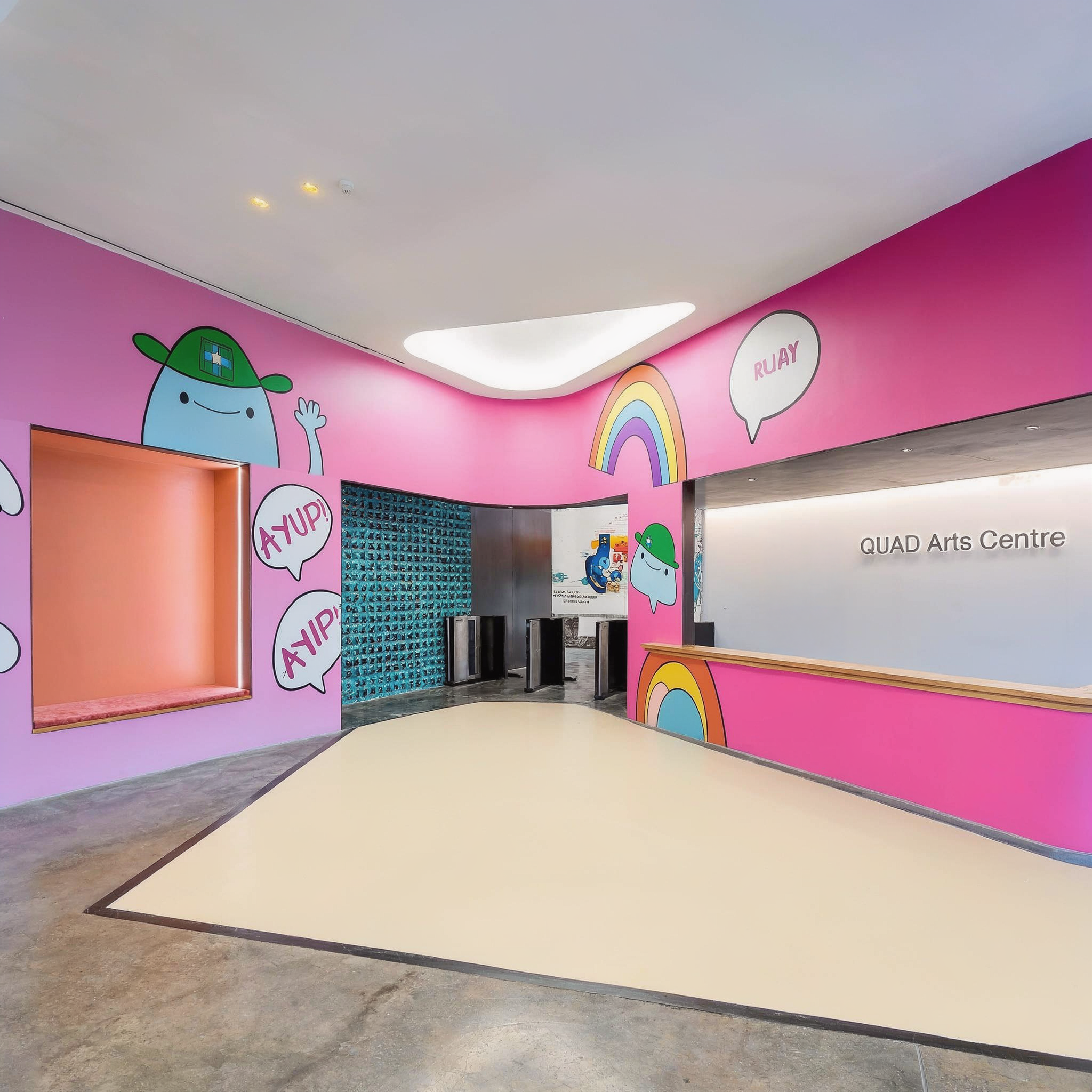
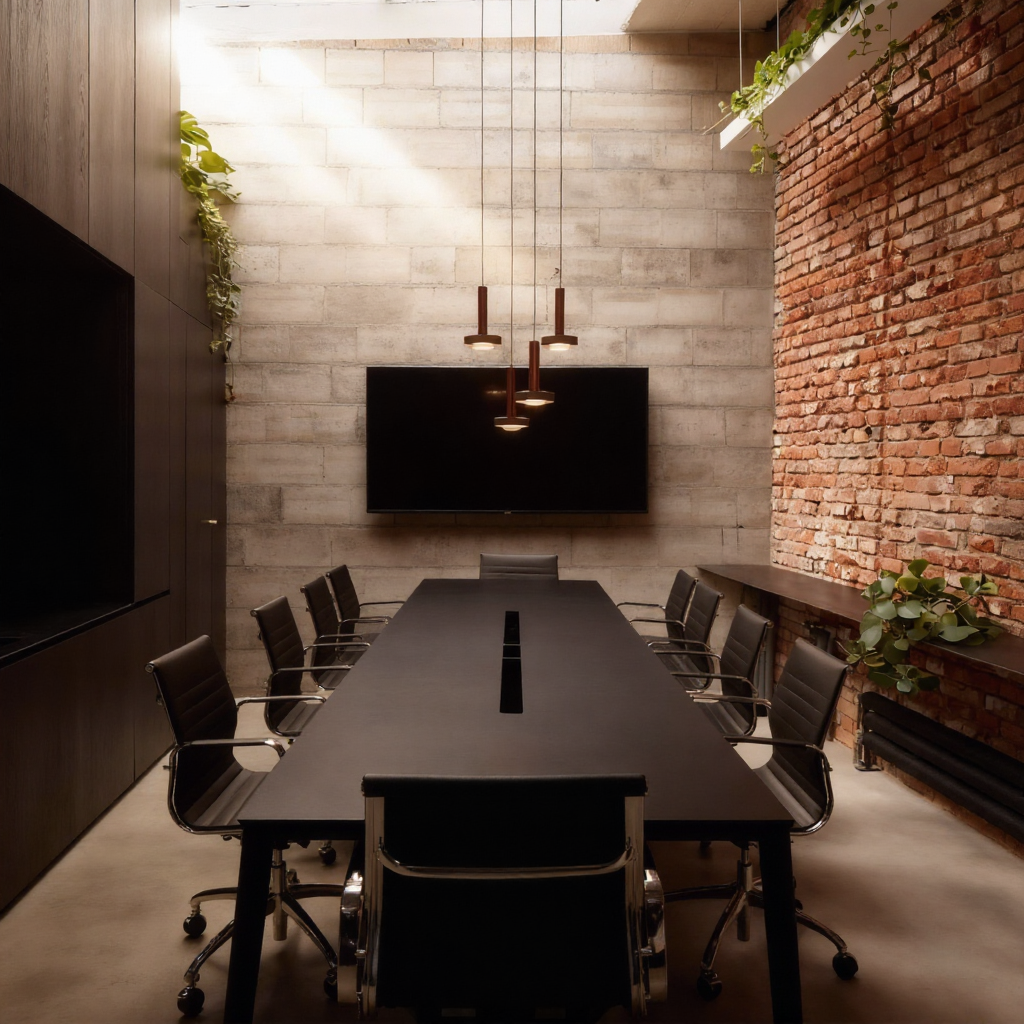
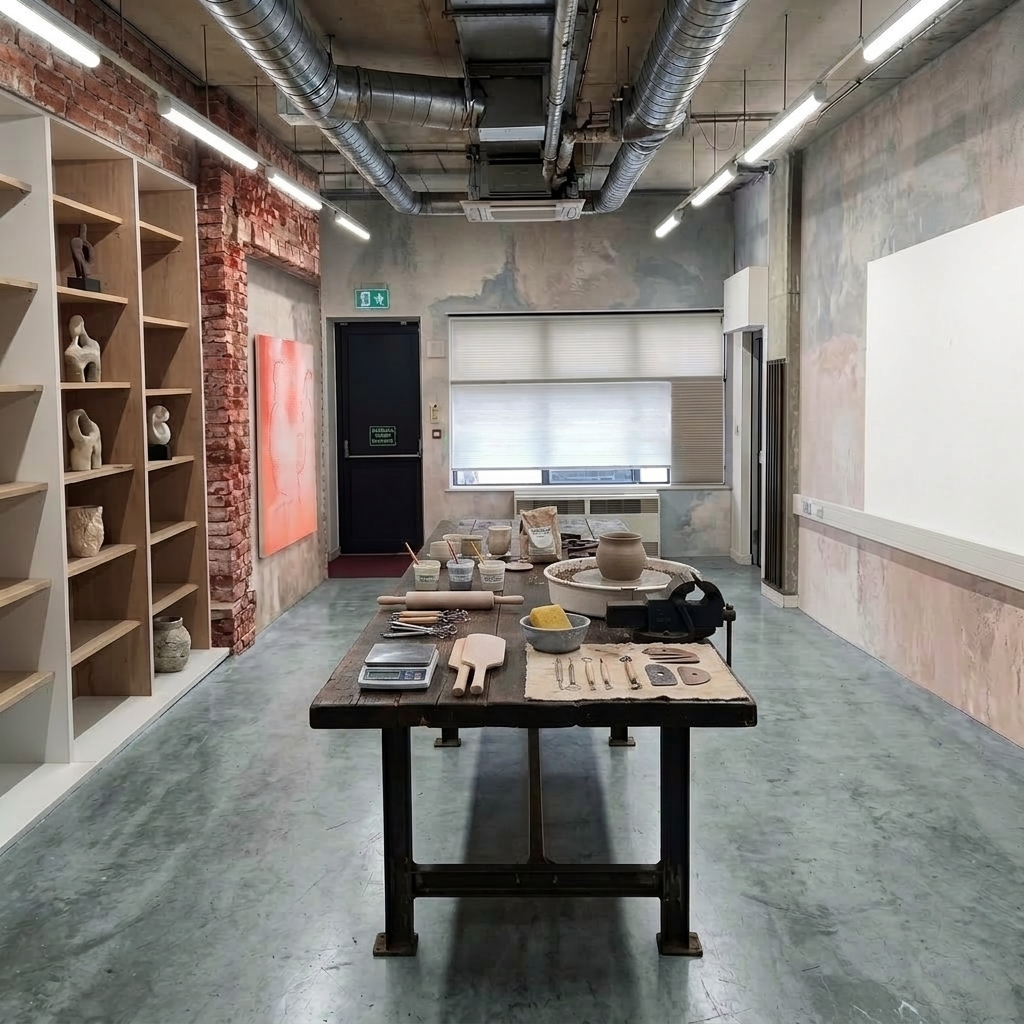
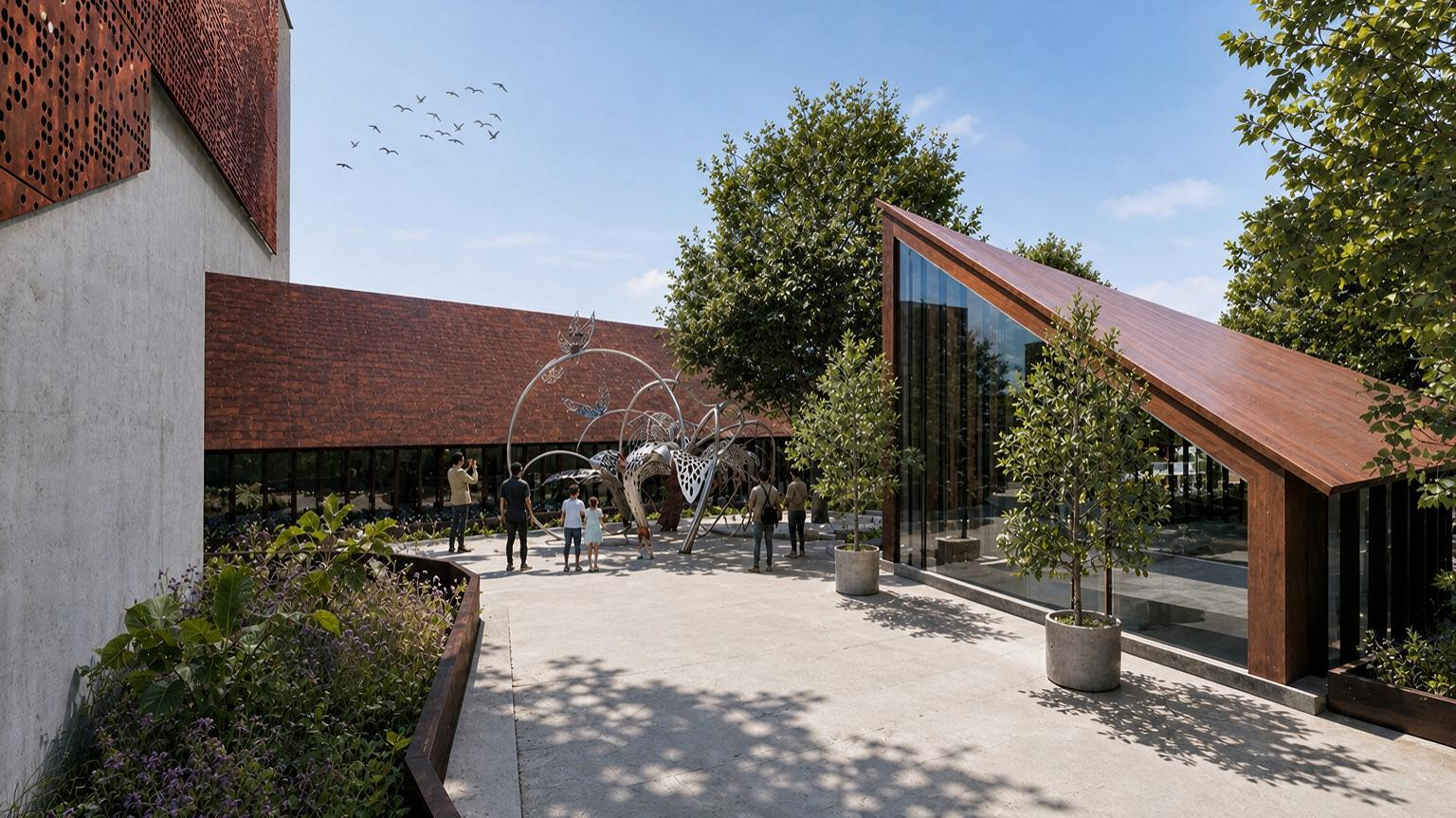
The winning proposal (Fig 3, 5, 7, 8) was adopted by QUAD and incorporated into a successful funding application to Arts Council England. The bid secured £80,000. The students' work therefore moved beyond the studio and into the operational and financial planning of a working cultural institution.
The proposal restructured three areas of the building:
A conceptual extension was also proposed, extending the venue into an adjacent external courtyard.
This project demonstrates a particular conception of design education. Learning is situated in a real institutional problem, with a real client and a real consequence. Students are not asked to simulate professional conditions. They are placed within them. Three claims follow from the work.
Cross-Disciplinary, Project-Based Learning
It evidences the design of experiential, project-based learning that operates across disciplinary boundaries. The team structure was the pedagogic instrument. It cultivated the habits, mindsets, and negotiating practices required to address complex, ill-defined problems.
Sustained Industry & Cultural Partnership
It evidences sustained interaction with the business sector and with cultural institutions. The partnership was not a single guest lecture. It ran the length of the module, and it produced obligations on both sides.
Measurable Impact
It evidences measurable impact. The translation of student work into a funded institutional bid provides an external, verifiable outcome. Few undergraduate studio projects can point to such a result.